Writing a clearer title and abstract
Editors, reviewers, and search tools often see only your title and abstract. Here is how to make both accurate, specific, and easy to find, without overselling the findings.
Research Communication6 min read
Thoughtful research. Clearer manuscripts. More confident submissions.

Many readers meet your research through its title, its abstract, a graphical abstract, or a poster before they read a single paragraph of the paper.
We help those pieces say clearly and accurately what the research found, for the audience that needs to understand it, without overstating it.
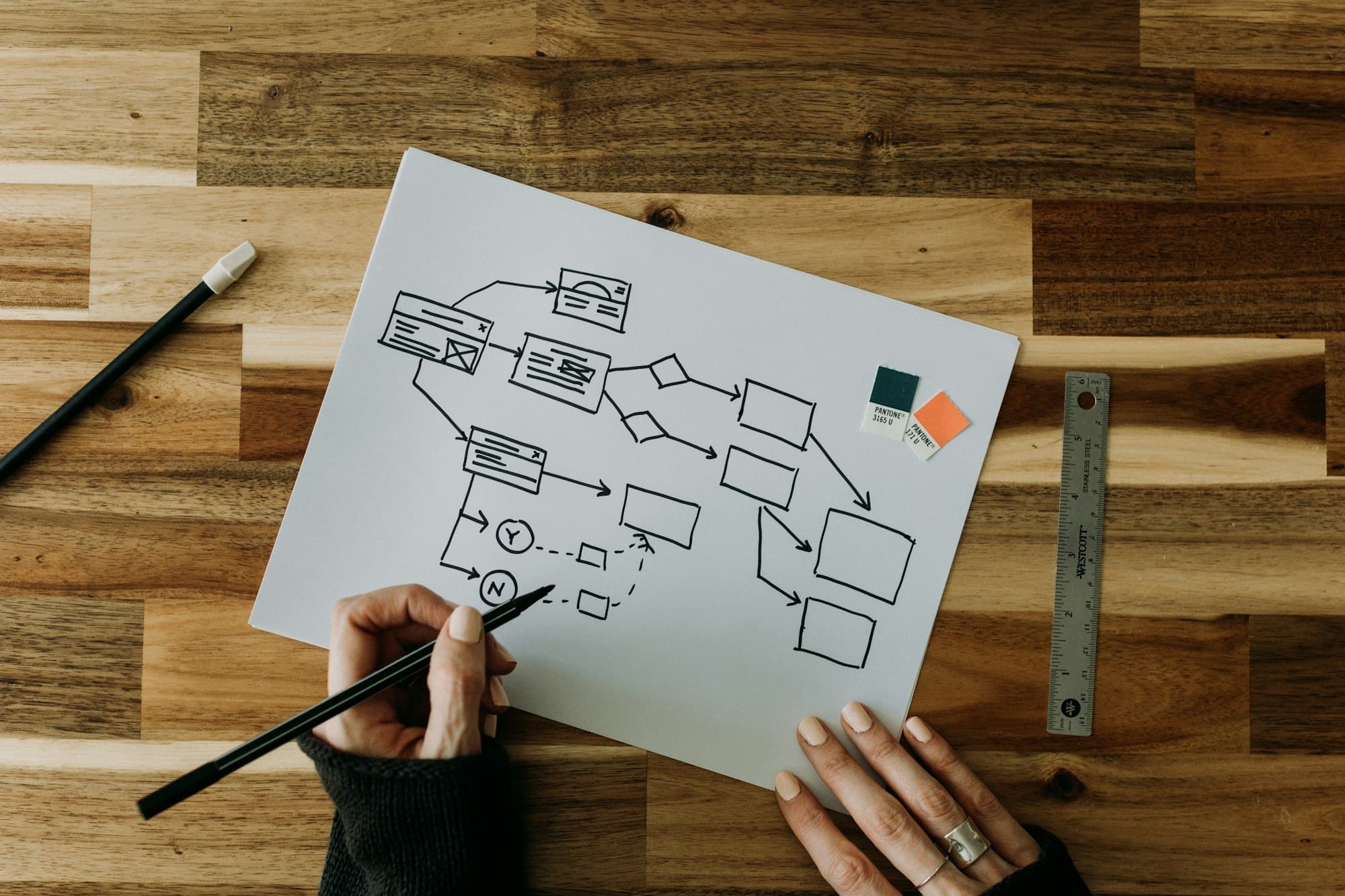
At a glance
The journal asks for highlights, a graphical abstract, or a lay summary alongside the paper.
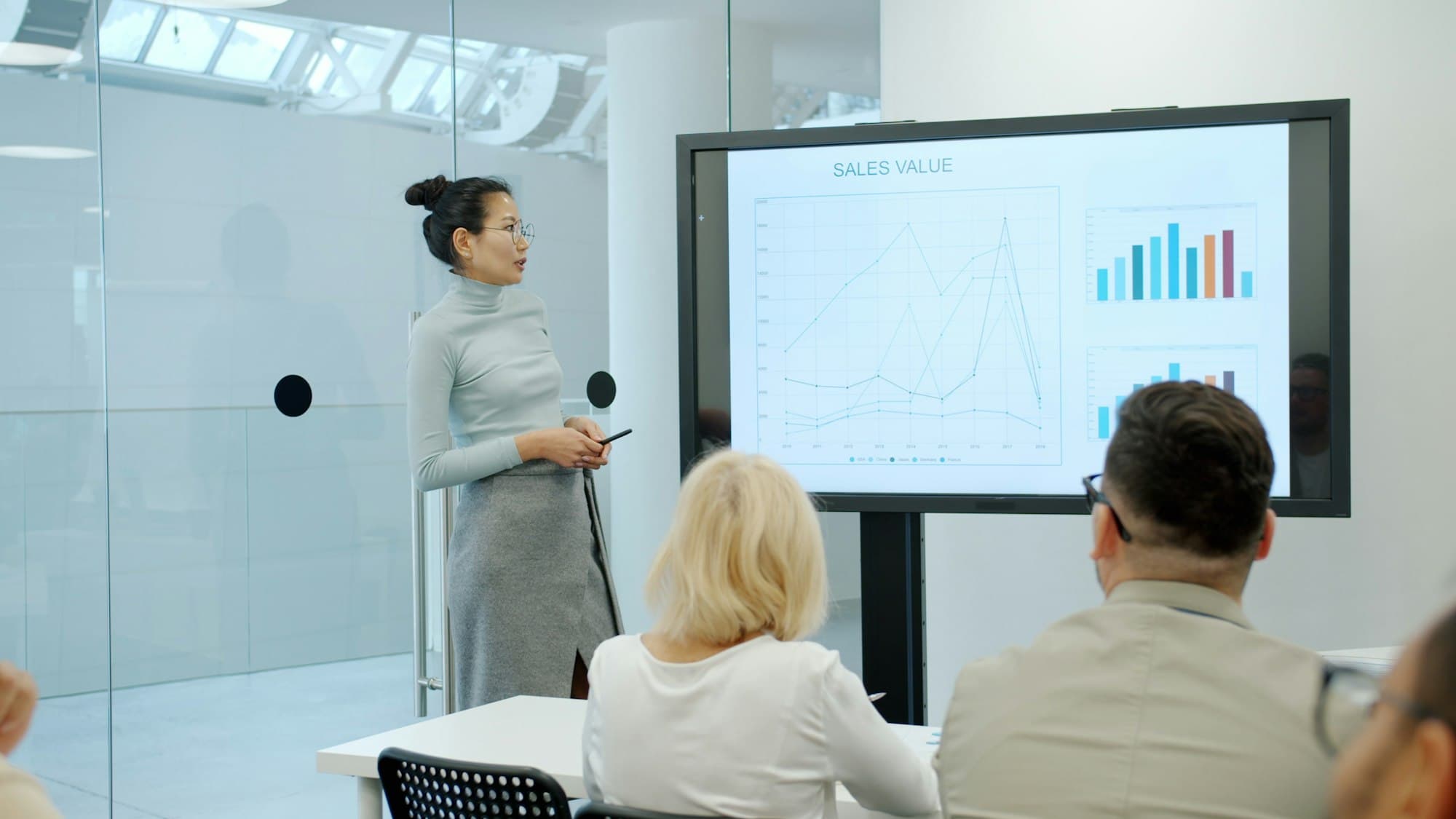
A poster has to make its point from across a room and hold up in conversation.
Funders, practitioners, or the public need a summary they can follow without losing accuracy.
The work is published, and you want its findings presented clearly wherever they are shared.
Specific, accurate titles, and abstracts that state the question, approach, main finding, and its meaning within the word limit. See writing a clearer title and abstract.
One clear visual story drawn from the paper, sized and formatted to the journal’s specifications.
A hierarchy that reads at a distance, text cut to what a passer-by needs, and detail kept for conversation.
Accessible language that keeps the uncertainty and limits of the findings intact.
Slide structure and figure clarity for talks, seminars, and defenses, where agreed.
Several accurate, specific alternatives, with a note on what each one emphasizes.
Edited to the journal’s structure and word limit, with the main finding stated plainly.
A visual layout built from your supplied figures and findings, in the journal’s or conference’s required format.
An accurate summary for non-specialist readers, checked by you for correctness.
A sample of the format, so you know what to expect. It is not drawn from any client’s work.
| Draft title | Issue | Alternative |
|---|---|---|
| A study of the effects of irrigation scheduling on crop yield | Generic; “a study of” adds nothing, and the setting is missing | Deficit irrigation scheduling and wheat yield on semi-arid smallholder farms |
| Revolutionary sensor transforms water monitoring | Promotional; the claim is not something a title can support | A low-cost optical sensor for continuous nitrate monitoring in rivers |
Send the manuscript or paper, existing figures, and the journal or conference requirements.
We confirm who the piece is for and what it must communicate.
We draft text and layouts from your material and mark anything that needs your confirmation.
You check every claim and visual for accuracy and approve the final version.
Start with a short description in the enquiry form. Please don’t send full manuscripts or sensitive data until the scope and confidentiality terms are agreed.
Usually: Before submission · During revision
Make your ideas easier to follow.
Usually: Submission · Resubmitting elsewhere
Get the details right before submission.
Usually: Any stage
Understand your next move.
Editors, reviewers, and search tools often see only your title and abstract. Here is how to make both accurate, specific, and easy to find, without overselling the findings.
Research Communication6 min read
Editing can make a manuscript clearer, more consistent, and easier to review. It cannot validate your methods, repair your data, or decide the outcome. Here is where the line falls.
Academic Writing6 min read
Authorship brings credit and accountability. This guide explains the ICMJE criteria, CRediT roles, acknowledgments, problem authorship, author order, disputes, and the position of AI tools.
Publication Ethics7 min read
Something else on your mind?
Ask about your manuscript. We answer before any work is agreed.
Yes, where the figures and findings are supplied by you. We lay them out to the journal’s specifications and you confirm the content is accurate.
We draft them from your paper and you check them for accuracy. Simplifying research without distorting it takes care, so expect a round of author review.
We can make them clearer. We will not overstate them; inflated claims cost credibility with editors and readers alike.
The abstract or paper, your figures, the conference’s size and orientation requirements, and any template your institution requires.
No. Editorial and design assistance is not authorship. Some journals ask that professional assistance be acknowledged; follow your journal’s policy. See authorship, acknowledgments, and contributor roles.
Share the stage, the discipline, and the deadline. We’ll come back with a proposed scope, the deliverables, and a fee before anything begins.